Pharmacies & Medicines
Navigating the healthcare landscape in Montreal and across Quebec can sometimes feel like learning a new language. However, understanding how to effectively use your local pharmacy is one of the most powerful steps you can take for your health. Today, a pharmacy is far more than a simple dispensary for pills; it is a comprehensive clinical hub where preventative care, chronic disease management, and expert pharmacological advice intersect.
Whether you are trying to understand exactly what your RAMQ card covers, wondering how to optimize your daily vitamin intake during our long, harsh winters, or supporting a loved one through complex treatments like immunotherapy, knowledge is your best asset. This comprehensive overview explores the crucial facets of pharmacies and medications, empowering you to make informed, safe, and cost-effective health decisions alongside your healthcare team.
Navigating the Quebec Pharmacy System and RAMQ Coverage
The role of the pharmacist in Quebec has evolved significantly in recent years. Empowered by new legislative frameworks, pharmacists can now offer a wide array of clinical services that relieve the burden on emergency rooms and CLSCs, providing faster access to care for patients.
Understanding Pharmacist Prescribing Powers
Many patients are surprised to learn that their pharmacist can prescribe medications for certain minor conditions. While a doctor is still required for complex diagnoses, pharmacists can currently prescribe treatments for issues such as urinary tract infections, allergic rhinitis, and minor acne. But what about the cost? Is the pharmacist’s prescribing service free with your RAMQ card? Generally, clinical assessments conducted by a pharmacist are covered by the public health insurance plan, though the medication itself will be billed according to your usual public or private insurance coverage.
Choosing Between the Pharmacy and the CLSC
When flu season approaches, many Montrealers face the dilemma of where to get vaccinated. Opting for a flu shot at the pharmacy versus a local CLSC often comes down to convenience. Pharmacies typically offer flexible booking hours, including evenings and weekends, making them highly accessible. Conversely, CLSCs are vital community hubs that might bundle vaccination with other public health services, particularly for vulnerable populations.
The Economics of Your Prescriptions
Prescription costs can vary widely, and understanding why can save you hundreds of dollars annually. When your doctor prescribes a medication, they may use a brand name, but the pharmacist will often substitute it with a generic version. Are generic drugs really identical to the brand name versions? Yes, Health Canada strictly regulates generics to ensure they contain the identical active ingredients, dosage, and safety profile as the original.
Here are the key factors that influence the price you pay at the register:
- RAMQ Formulary: If your doctor prescribes a drug not on the RAMQ list, you may have to pay out of pocket unless you have private insurance or your doctor applies for a special authorization.
- Dispensing Fees: Why does the same drug cost more at one pharmacy chain than another? In Quebec, dispensing fees are not regulated for private insurance patients, leading to price variations between different banners.
- Generic Substitution: Opting for generics is the primary way to save significant money on monthly prescriptions.
Mastering Your Daily Medication Management
Managing ongoing treatments requires organization and clear communication with your medical team. From handling unexpected weekend shortages to understanding hidden food interactions, proactive management prevents complications.
Emergency Refills and Prescription Renewals
We have all experienced it: realizing on a Friday evening that your pill bottle is empty. The ‘forgot my meds’ protocol allows pharmacists to provide an emergency supply of essential maintenance medications to prevent a dangerous interruption in your treatment. However, there are strict limits. For instance, pharmacists cannot renew narcotics or controlled substances indefinitely due to strict federal regulations designed to prevent dependency and diversion.
If your doctor has no available appointments, how do you renew your prescription? Pharmacists can often extend your prescription while you wait to see your physician. However, be cautious of the trap of auto-renewals, which can result in paying for medications you no longer take. Always review your active list.
If you need to transfer your file to a new pharmacy, follow these steps to avoid losing your refills:
- Choose your new pharmacy location.
- Request a file transfer directly with the new pharmacist.
- Allow 24 to 48 hours for the two pharmacies to coordinate the secure transfer of your medical history and remaining active refills.
Tools and Reviews to Prevent Hospitalization
Medication errors are a leading cause of preventable hospitalizations among seniors. A 15-minute medication review with your pharmacist can identify redundancies, unnecessary drugs, or incorrect dosages. For elderly patients managing multiple pills, choosing between traditional pill organizers and pharmacist-prepared blister packs (like Dispill) is crucial. Blister packs reduce the cognitive load and significantly minimize the risk of accidental double-dosing.
Furthermore, proper disposal is part of safe management. The environmental risk of flushing old antibiotics down the toilet is severe, contributing to water contamination and antibiotic resistance. Always return expired medications to the pharmacy counter for safe, specialized incineration.
Hidden Interactions and Unnoticed Side Effects
Medications can interact in unexpected ways with your diet and other drugs. For example, the interaction between grapefruit and statins (cholesterol-lowering drugs) can cause the medication to build up to toxic levels in your bloodstream. Similarly, a persistent dry cough might not be a lingering winter cold, but rather a common side effect of certain blood pressure medications (like ACE inhibitors).
Conquering the Montreal Winter: Immunity and Supplements
Surviving the dark and freezing winter months in Quebec requires more than just a warm coat; it demands a proactive approach to your immune system and overall vitality.
The Truth About Vitamin D Supplementation
Due to the northern latitude, it is virtually impossible to absorb enough Vitamin D from the sun during a Montreal winter. Can you really eat enough salmon to reach optimal levels? Nutritionists agree that diet alone is rarely sufficient. Knowing when to start supplementing to prevent the dreaded November energy crash is key.
When selecting a supplement, the debate often centers around dosage: 1000 IU vs 5000 IU daily. While 1000 IU is a standard maintenance dose, higher doses may be recommended by a doctor for specific deficiencies. Crucially, taking high doses of Vitamin D without K2 might be harming your arteries, as K2 ensures calcium is directed into the bones rather than depositing in the vascular system. If you are unsure of your levels, you might wonder if paying for a private $60 Vitamin D blood test is worth it. For those with severe fatigue or bone density issues, it can provide essential baseline data.
Fighting Off Colds and Respiratory Viruses
When respiratory viruses circulate, prevention and symptom management are your first lines of defense.
- Masking up: Choosing between an N95 and a surgical mask depends on the setting. An N95 actually protects the wearer by sealing around the face and filtering tiny aerosols, whereas a surgical mask primarily protects others from your respiratory droplets.
- Hand Hygiene: Sanitizer vs. soap is a common debate. While alcohol gel is highly effective against many viruses, it is not enough to kill certain stomach bugs (like Norovirus) or remove visible dirt; thorough handwashing with soap remains superior.
- Symptom Relief: Do zinc lozenges really shorten a cold, or is it a placebo? Clinical evidence suggests that if taken within the first 24 hours of symptoms, specific zinc formulations can indeed reduce the duration of a cold by inhibiting viral replication in the throat.
Advanced Oncology: Understanding Immunotherapy
In the realm of modern oncology, immunotherapy represents a paradigm shift. Rather than directly attacking tumors like traditional chemotherapy, these drugs stimulate the patient’s own immune system to recognize and destroy cancer cells.
Eligibility and the ‘Patient d’Exception’ Measure
Immunotherapy is not a universal cure, and biomarkers are the reason why not everyone is a candidate. Oncologists use specific genetic or molecular markers to predict whether a tumor will respond to these advanced drugs. Because these treatments are incredibly costly, accessing them can be complex. In Quebec, many new immunotherapy drugs are covered under the RAMQ ‘Patient d’exception’ measure, a specific protocol where the doctor must demonstrate that standard therapies have failed or are unsuitable for the patient’s specific biomarker profile.
Tracking Side Effects and Treatment Efficacy
The immune system’s response to these drugs can produce highly unusual clinical signs. For instance, a specific rash might indicate that your immunotherapy is actively engaging your immune system, though severe rashes must be evaluated to ensure they do not become dangerous autoimmune reactions.
When reviewing scans, oncologists often warn patients about ‘pseudo-progression’. This occurs when tumors initially appear to grow larger on an MRI or CT scan. In reality, the tumor is not growing; it is simply swelling because it has been infiltrated by millions of the body’s immune cells actively fighting the cancer. Finally, if the treatment is highly successful, a major clinical question arises: how long do you stay on immunotherapy if the cancer disappears? This remains a highly personalized decision discussed between the oncologist and the patient, balancing the risk of relapse against the risk of long-term autoimmune side effects.
Whether you are picking up a routine refill, seeking advice on winter supplements, or navigating the complexities of advanced specialty drugs, your pharmacist is an accessible, invaluable resource. Do not hesitate to ask questions, consolidate your care, and actively participate in your health journey.

Why a 15-Minute Medication Review with Your Pharmacist Can Prevent Hospitalization?
Feeling « off » while on your medication is not something to ignore; it’s a critical warning sign your body is sending. A brief medication review can uncover hidden drug-food interactions and silent side effects that you might misinterpret as a common…
Lire la suite
How to Renew Your Prescription When Your Doctor Has No Available Appointments?
In summary: Your pharmacist in Quebec can often extend your prescription for a chronic condition to prevent a treatment interruption. Administrative delays are normal; renewal requests go into a queue, not directly to your doctor. Transferring your file to a…
Lire la suite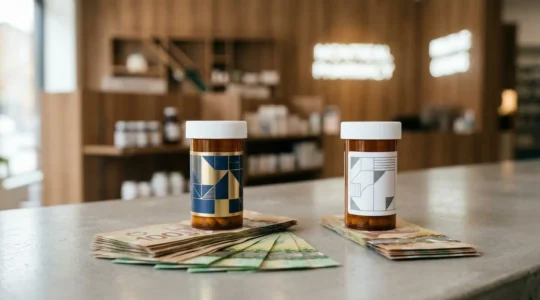
Brand Name vs. Generic in Quebec: A Senior’s Guide to Saving Over $300 Annually on Prescriptions
The key to cutting your prescription costs in Quebec isn’t just choosing generic; it’s understanding the hidden system of fees and benefits that determines your final price. Dispensing fees vary by over $10 per prescription between different Montreal pharmacies, representing…
Lire la suite
Your Quebec pharmacist is your new first stop: How to get prescriptions for UTIs, cold sores, and more
Your Quebec pharmacist is now your most powerful ally in navigating healthcare, offering far more than just dispensing medication. They can directly prescribe for common issues like uncomplicated UTIs and cold sores, and perform rapid tests for conditions like strep…
Lire la suite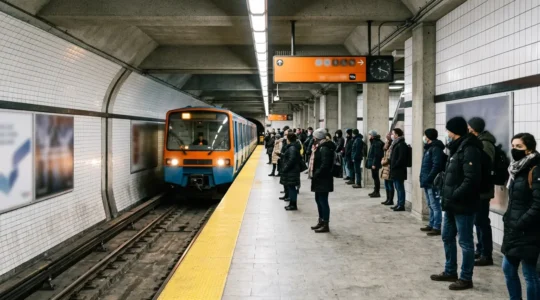
How to Boost Defenses Against Viruses in Crowded Public Transport?
Protecting yourself on the STM isn’t about luck; it’s about building a strategic, multi-layered barrier system based on immunological principles. A properly fitted N95 respirator offers superior personal protection by filtering airborne particles, unlike surgical masks which primarily protect others….
Lire la suite
How to Manage Vitamin D Intake During the Dark Montreal Winters?
Surviving Montreal’s winter isn’t just about taking Vitamin D; it’s about implementing a precise, synergistic protocol of targeted supplementation and lifestyle adjustments. Dosage is not one-size-fits-all; it must be calibrated to your lifestyle, age, and when you start. Vitamin D…
Lire la suite
Immunotherapy vs. Chemotherapy in Montreal: A Patient’s Guide to Side Effects
Immunotherapy doesn’t mean ‘fewer’ side effects than chemotherapy; it means ‘different’ ones—and understanding these unique signals is your greatest strength as a patient in Quebec. Unusual signs like specific skin rashes or what looks like tumour growth on early scans…
Lire la suite