Emergencies & First aid
Facing a sudden medical situation can be incredibly stressful, especially when trying to navigate a complex healthcare network. Whether you are dealing with a minor injury at home, managing an unexpected illness, or seeking immediate trauma support, understanding the landscape of Emergencies & First aid is absolutely critical. Choosing the right point of care not only ensures you receive appropriate treatment faster but also helps reduce the strain on overcrowded medical facilities.
Currently, the healthcare landscape in Montreal requires patients to make highly informed decisions. An unnecessary trip to the hospital can lead to notoriously exhaustive wait times, while ignoring professional advice might escalate a minor issue into a severe condition. This comprehensive resource breaks down the different tiers of care available in Quebec, empowering you to make the safest and most efficient health decisions for yourself and your loved ones.
Decoding the Levels of Urgent Care in Quebec
Knowing exactly where to go is the foundational step in effective first aid and medical management. The local system is deliberately designed with multiple tiers, each equipped to handle specific severities of medical issues. Navigating this hierarchy correctly can save you hours of waiting and ensure proper medical attention.
When the Emergency Room Is the Only Option
Hospital Emergency Rooms (ER) are strictly designed for critical, life-threatening conditions. Symptoms such as severe chest pain, sudden difficulty breathing, major physical trauma, or uncontrollable bleeding require immediate hospital intervention. However, utilizing the ER for flu symptoms without respiratory distress contributes heavily to overcrowding. Recent medical studies show that severe hospital overcrowding can increase the risk of medical errors by up to 20 percent. If your condition is not critical, opting for an alternative will save you from enduring an exhaustive wait, which at major facilities like Hôpital Maisonneuve-Rosemont can frequently stretch beyond 15 hours.
Urgent Care Centres and Super Clinics
For issues that require prompt attention but are not life-threatening, Walk-In Clinics (Sans Rendez-Vous) and Super Clinics are excellent alternatives. For example, if you suspect a broken wrist, an Urgent Care Centre is often significantly faster than a hospital ER. What justifies a trip to a Super Clinic over a standard walk-in?
- Access to on-site diagnostic services like blood testing and medical imaging.
- Extended operating hours, often including weekends and late evenings.
- Capability to treat minor fractures, administer intravenous treatments, or stitch deep lacerations.
When booking these appointments, navigating the online provincial portals can be complex. Understanding the difference between free and paid booking platforms, and knowing the optimal time of day to log on, can drastically reduce your wait time. Furthermore, always remember to bring your essential documents, such as a valid health insurance card and medication list, to avoid administrative rejection at the front desk.
Maximizing the Power of 811 Info-Santé
Before leaving your home, picking up the phone is often the most strategic move you can make. The 811 Info-Santé service is a cornerstone of the provincial health system, acting as the primary gateway for medical triage and advice.
Triage and Nurse Assessments Over the Phone
Calling 811 connects you with a registered nurse who evaluates your symptoms using a rigorous decision matrix. While a nurse cannot definitively diagnose a complex rash over the phone, they can accurately assess the severity of your symptoms and direct you to the safest resource. To avoid being put on hold multiple times, prepare your medical history and a clear timeline of your symptoms before making the call. Interestingly, if your situation warrants immediate non-ER attention, Info-Santé nurses have the authority to book a clinic spot for you directly, saving you the immense hassle of calling around.
It is crucial to follow their guidance. The risk of ignoring 811 advice is significant; it can lead to health complications that ultimately result in a mandatory, prolonged ER visit. Furthermore, when you do arrive at the clinic, the attending doctor often has access to the triage notes from your 811 call, ensuring a seamless continuity of care.
Navigating the Guichet d’Accès à la Première Ligne (GAP)
For residents without a dedicated family doctor, navigating the system feels especially daunting. Calling 811 and selecting Option 2 connects you to the Guichet d’accès à la première ligne (GAP). This service acts as a vital lifeline for orphan patients.
- Call 811 and select the designated option to reach the GAP.
- Provide the evaluating nurse with a detailed account of your current health concern.
- Receive a priority referral to a local Family Medicine Group (GMF) equipped to handle your specific issue.
- Complete the critical follow-up call, a mandatory step that a significant percentage of patients miss, which can result in canceled referrals.
The GAP is specifically designed to recognize that standard treatments fail for a notable percentage of patients with complex or chronic conditions, ensuring these individuals are routed to doctors who can provide continuous oversight.
Utilizing Community First Aid Resources
Beyond massive hospitals and busy walk-in clinics, your immediate community offers highly specialized, accessible resources for non-urgent medical situations and ongoing first aid management.
The Vital Role of the CLSC
The Centre Local de Services Communautaires (CLSC) is an invaluable resource, particularly for Quebec parents and individuals requiring routine care. Why is the CLSC often your best option? They specialize in preventative medicine, infant vaccinations, and professional wound management. If you require dressing changes after a surgery or a severe burn, the CLSC provides expert care in a calm environment. In specific circumstances regarding mobility issues, the CLSC can even coordinate sending a home-care nurse to change dressings and monitor recovery.
Pharmacists as Frontline Problem Solvers
Recent expansions in the scope of medical practice allow pharmacists to do much more than simply dispense medication. For common ailments, consulting your local pharmacist can save you an entirely unnecessary trip to the doctor. They can perform rapid tests for conditions like strep throat, prescribe treatments for minor urinary tract infections, offer emergency oral contraception, and provide crucial, immediate advice on managing allergic reactions safely at home.
Surviving an Unexpected Hospital Visit in Montreal
Despite your best preventative efforts and triage calls, some emergencies unequivocally require a trip to the hospital. When this happens, understanding how the emergency environment operates can alleviate immense frustration and anxiety.
Understanding Triage Prioritization
One of the most common sources of anger in an ER waiting room is witnessing someone who arrived after you be called in first. It is vital to understand that hospitals do not operate on a first-come, first-served basis. Instead, patients are continuously assessed using the Canadian Triage and Acuity Scale (CTAS), which categorizes conditions from Level 1 (immediate resuscitation) to Level 5 (non-urgent). Even if you arrived in an ambulance, your triage level dictates your wait time. Calling an ambulance does not guarantee faster access to a physician if your vital signs are stable upon arrival.
Preparing an Essential ER Survival Kit
If you anticipate a long wait, arriving prepared can significantly improve your physical comfort and mental well-being. Packing a simple survival kit is highly recommended for unexpected visits to major trauma centers.
- A fully charged power bank and charging cable for your mobile phone.
- A reusable water bottle and non-perishable snacks (unless you have been instructed to fast).
- A warm sweater or blanket, as hospital waiting areas are notoriously cold.
- A complete, written list of your current medications, allergies, and surgical history.
- A book, tablet, or noise-canceling headphones to help pass the time and reduce ambient anxiety.
The physical and emotional toll of a prolonged wait can occasionally prompt patients to consider leaving against medical advice. However, leaving the hospital before receiving official medical clearance can be highly dangerous. Underlying conditions, internal bleeding, or infections may deteriorate rapidly without professional monitoring, turning a manageable emergency into a fatal one.
Navigating medical emergencies requires patience, proactive preparation, and a clear understanding of the local healthcare infrastructure. By effectively utilizing community resources like pharmacies and CLSCs, leveraging the triage power of 811, and knowing exactly when to utilize a Super Clinic versus the ER, you protect your own health while optimizing the broader medical system for everyone. Keep this knowledge accessible for the moment the unexpected occurs, and always prioritize professional medical advice.

Why Your Minor Injury Is Better Treated at a Super Clinic Than the ER?
For minor injuries in Montreal, choosing a super-clinic (GMF-R) over the ER is the single most effective way to get faster care and reduce system strain. Super-clinics are equipped with on-site X-rays and labs, handling issues like simple fractures or…
Lire la suite
How Info-Santé Nurses Can Book You a Clinic Spot Without You Calling Around?
The key to getting a fast doctor’s appointment in Montreal isn’t endless searching, but strategically using the 811 nurse as your personal appointment navigator. The nurse’s primary role is triage, not diagnosis; the specific words you use are what trigger…
Lire la suite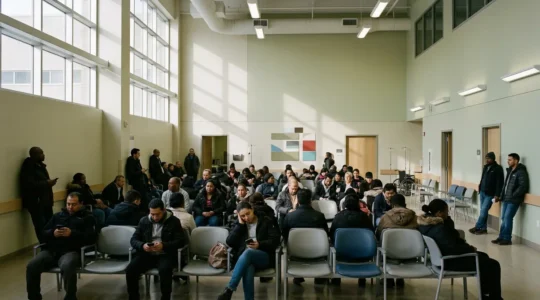
How to Survive a 15-Hour ER Wait at Hôpital Maisonneuve-Rosemont?
The key to surviving a marathon ER wait in Montreal isn’t patience; it’s understanding the system’s internal logic to reclaim control over your situation. Your wait time is determined by a strict triage code (CTAS), not your arrival time. Understanding…
Lire la suite
When to Call 811 vs Going to the CLSC: The Decision Matrix for Quebec Parents?
The instinct to rush to the ER with a sick child is understandable, but it’s rarely the fastest or most effective path in Montreal’s healthcare system. True system mastery involves using 811 not just for advice, but as a routing…
Lire la suite
How to Use Montreal Walk-In Clinics and Avoid a 15-Hour ER Wait
In summary: For minor ailments like UTIs or skin rashes, a walk-in clinic is your best choice, but requires strategic timing and preparation. If you are without a family doctor, the ‘Guichet d’accès à la première ligne’ (GAP) is your…
Lire la suite