Health & Wellness
Achieving a genuine state of well-being is about much more than the simple absence of illness; it is a dynamic, ongoing balance between physical resilience, mental clarity, and proactive daily choices. Whether you are actively recovering from a major surgical procedure, attempting to offset the physiological toll of a sedentary office job, or bracing yourself for the profound psychological impact of a long winter, taking charge of your body requires accurate knowledge and self-compassion. The human body is an incredibly adaptable system, but it requires the right inputs—movement, restorative rest, and structured rehabilitation—to thrive.
Navigating the vast landscape of health advice can often feel overwhelming, especially when trying to distinguish scientifically backed strategies from passing wellness fads. This comprehensive overview is designed to demystify the core components of a healthy life. By exploring the fundamental pillars of optimizing physical rehabilitation, integrating robust preventive habits, and maintaining mental equilibrium through the darkest months of the year, you will be equipped to make informed, sustainable decisions for your long-term vitality.
Navigating Physical Rehabilitation and Motor Skill Recovery
Physical rehabilitation is rarely a linear journey; it is a complex process of tissue repair and neuromuscular retraining. A common pitfall for many patients is adopting a rigid mindset. Aiming for an immediate or flawless « 100%recovery » can surprisingly sabotage your progress, leading to intense frustration and counterproductive overexertion. True rehabilitation focuses on restoring functional independence and pain-free movement, adapting to the body’s new baseline rather than chasing an idealized past state.
Overcoming the Three-Month Recovery Plateau
It is incredibly common to experience a sharp drop in progress after the initial three months of physical therapy. Think of your body’s rehabilitation like rebuilding a house after a storm; the initial framing happens quickly, but the meticulous interior wiring takes time. This plateau often occurs because the body has adapted to the current stimulus. To break through this phase safely, a structured, sequential approach is necessary:
- Acute mobility: Utilizing water therapy for low-impact, first-stage trauma mobility, allowing joints to move without the full burden of gravity.
- Tissue remodeling: Applying targeted massage therapy to actively break down restrictive scar tissue that limits your range of motion.
- Neuromuscular retraining: Shifting the focus toward advanced balance and resistance work to reinforce the newly healed structures.
Clinic Sessions versus Home Exercises
The debate between relying solely on clinical physiotherapy sessions and performing home exercises is a cornerstone of recovery planning. Clinic sessions provide indispensable expert assessment, manual therapy, and immediate course correction. However, the true secret of elite athletes—who often see a physiotherapist long before they are even injured—lies in daily consistency. Combining professional oversight with disciplined home routines yields the highest rate of motor skill recovery. Consistent home practice ensures that the neural pathways controlling movement are reinforced daily.
Essential Adaptive Tools and Independence
Following a major trauma, such as shoulder surgery or a complex leg fracture, reclaiming your independence in daily tasks is critical for both physical and psychological healing. Simple adaptive tools can transform an impossible task into a manageable one. For residents in our region, it is also worth noting that the Régie de l’assurance maladie du Québec (RAMQ) often provides specific coverage criteria for essential home rehabilitation equipment, alleviating the financial burden of recovery.
- Long-handled shoehorns and sock aids to prevent dangerous forward bending while the spine or hips are healing.
- Button hooks and dressing sticks that allow you to dress single-handedly after upper-extremity surgeries.
- Bath seats and walkers to drastically reduce the risk of secondary falls in slippery, high-risk environments.
Rebuilding Stability: Movement and Psychological Barriers
Physical trauma leaves an invisible mental imprint. The psychological trap that freezes your joints after a severe fall is a protective mechanism generated by the brain to prevent further injury. Overcoming this fear is just as crucial as healing the bone. Gentle, controlled disciplines are highly effective here. When deciding between Yoga and Pilates for rebuilding stability after spinal trauma, Pilates is frequently deemed safer due to its strict emphasis on core stabilization and neutral spine alignment, whereas Yoga’s deep end-range stretching can sometimes overtax vulnerable joints. Gradually rebuilding this functional strength is what ultimately dictates when you will confidently be able to drive again after a major fracture.
Proactive Prevention: Turning Small Habits into Lifelong Health
Active prevention is the invisible shield that stops minor, localized issues from morphing into systemic chronic diseases. Cultivating a healthy lifestyle is an investment that pays dividends not only in longevity but also in measurable financial ways, such as significantly reducing your life insurance premiums over a ten-year span. The challenge, however, is making a new health habit stick long after the initial burst of New Year’s motivation inevitably fades.
Demystifying Hydration, Sleep, and Daily Movement
Many foundational health rules have been oversimplified by popular media. The famous « 8glassesaday » rule is a persistent myth; actual hydration needs vary wildly based on your body mass, diet, and daily exertion. You absorb significant water from fruits, vegetables, and even coffee. Similarly, prioritizing rest is non-negotiable. Scientific consensus clearly shows that relying on just 6 hours of sleep is critically insufficient for long-term cardiovascular health, forcing the heart to operate under chronic low-grade stress.
In the modern workplace, the battle against sedentary behavior is constant. While investing in a standing desk is beneficial for posture, studies suggest that taking frequent, brisk walking breaks actually does far more to counteract the metabolic damage of sitting all day. Movement acts as a natural pump, regulating blood sugar and vascular health in ways that simply standing stationary cannot replicate.
Protecting Your Senses and Skin
Everyday technology poses subtle risks to our long-term wellness. The earbud volume mistake—listening to music just a few decibels too high to drown out ambient noise—is a leading cause of irreversible hearing loss manifesting in adults as early as their 30s. Conversely, the market is flooded with wellness products of debatable efficacy. Blue light glasses, for instance, are often marketed as essential protection against digital eye strain, yet ophthalmologists suggest that taking regular screen breaks is far more effective than relying on a potentially gimmicky lens coating.
Preventive health also means vigilant self-examination. Knowing precisely when to see a dermatologist about a mole that has changed shape, color, or border regularity is a proactive step that can catch malignant melanomas in their most treatable, nascent stages.
The Hidden Threats: Loneliness and Overlooked Vaccines
Wellness is profoundly social and immunological. The health risk associated with chronic loneliness is staggering; physiological studies equate the stress response of deep social isolation to smoking 15 cigarettes a day. Cultivating community ties is a biological necessity, not just a psychological comfort. On the clinical front, active prevention also includes updating immunizations. While childhood shots are well-tracked, adult vaccines—specifically those preventing painful outbreaks of shingles and severe pneumonia—are crucial safeguards that the adult population frequently forgets to maintain.
Conquering Seasonal Affective Disorder During the Winter
Navigating the deep, five-month stretch of a freezing, dark Montreal winter is a profound test of mental and physical endurance. As daylight hours plummet, many individuals experience a severe shift in mood and energy. It is vital to distinguish between a natural, mild « hibernation » instinct—a biological urge to rest and consume warming foods—and the debilitating onset of depressive withdrawal characteristic of Seasonal Affective Disorder (SAD).
Light Therapy: Lamps versus the Great Outdoors
When the sun sets mid-afternoon, our circadian rhythms are thrown into chaos. To combat this, light therapy is widely recommended, but execution matters. A cheap, low-intensity lamp purchased online will not effectively treat SAD; therapeutic efficacy requires a medical-grade device outputting a verified 10,000 lux of light, positioned at the correct angle to stimulate the retina safely.
However, technology cannot entirely replace nature. Even on an overcast January day, walking outside at noon is scientifically more effective than sitting rigidly in front of a lamp. Ambient daylight provides a broad spectrum of natural illumination that powerfully resets melatonin production, while the physical act of walking simultaneously boosts endorphins.
Managing Nutrition and Knowing When to Seek Help
The winter months notoriously trigger intense carbohydrate cravings. Your body naturally demands quick sugar when it feels cold and biologically deprived of sunlight. Instead of fighting this instinct with rigid diets, the healthiest strategy is to substitute refined sugars with complex carbohydrates—like sweet potatoes, oats, and legumes—that provide a slow, stabilizing release of serotonin and energy.
Finally, self-care sometimes requires clinical intervention. Waiting until the darkest depths of February to address severe mood crashes is a dangerous strategy. Knowing when to seek professional medical advice and potential medication for SAD before the deepest part of winter sets in is the ultimate act of proactive health management, ensuring you remain resilient, functional, and balanced until the spring thaw arrives.

How to Overcome Seasonal Depression During the 5 Months of Montreal Winter?
The crushing fatigue and low mood of Montreal’s winter are a real physiological response to a severe light deficit, not a personal failing. Standard « wellness tips » often fail because they don’t provide the clinical-strength light (10,000 lux) your body needs…
Lire la suite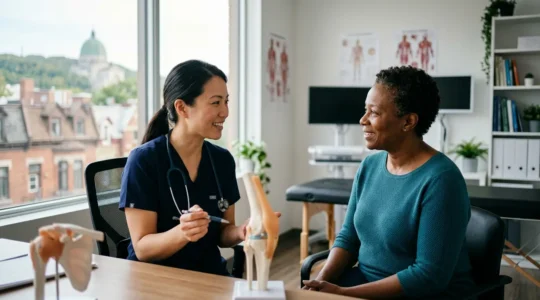
Active Prevention: How to Stop Minor Issues From Becoming Chronic Diseases
In summary: This guide moves beyond generic health advice to offer a strategic playbook for Montrealers in their 40s to prevent chronic illness. It reframes prevention as being the « CEO of your health »—actively managing risks by navigating the Quebec healthcare…
Lire la suite
How a Healthy Lifestyle Can Reduce Your Insurance Premiums Over 10 Years
For a budget-conscious Montrealer, proactively managing your health is a direct financial strategy to lower insurance costs over the next decade. Insurance underwriters in Quebec look beyond basic health to specific, documented metrics like CPAP compliance, advanced lipid markers (ApoB),…
Lire la suite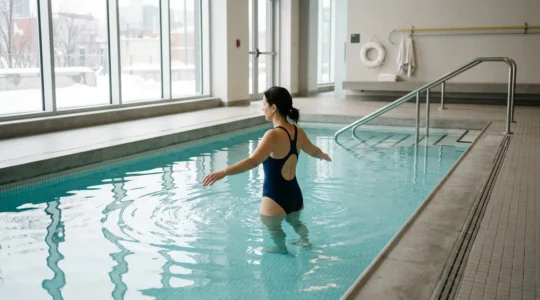
How do you regain mobility after a car accident when pain is still present?
The key to regaining movement isn’t forcing through pain, but re-establishing a sense of safety within your own body to break the psychological fear-pain cycle. Kinesiophobia, or the fear of movement, can physically « freeze » your joints long after the initial…
Lire la suite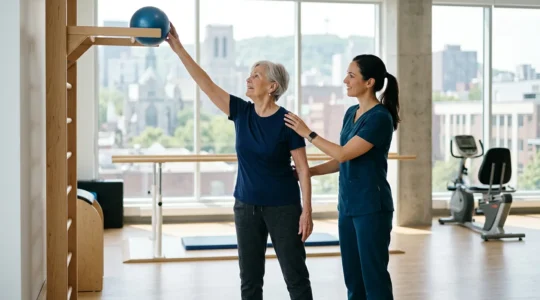
How Functional Rehabilitation Differs from Standard Physiotherapy for Seniors?
The goal of rehabilitation isn’t to rewind the clock to a pre-injury body, but to masterfully redesign your daily life to thrive with the body you have now. Functional rehabilitation focuses on practical skills (cooking, dressing, navigating your home) over…
Lire la suite