Urgences & Premiers secours
When an emergency strikes, the moments before professional medical help arrives can mean the difference between a full recovery and a tragic outcome. In Montreal, where winter conditions create unique hazards and response times can be affected by weather and traffic, understanding emergency response and first aid becomes not just valuable knowledge, but an essential life skill. Whether you’re facing a choking incident at a family dinner, witnessing a stroke, or dealing with a winter slip-and-fall injury, your ability to respond appropriately can save lives.
This comprehensive resource explores the critical knowledge every Montreal resident should possess: from immediate life-saving interventions and winter-specific injury management to navigating the healthcare system during critical care situations. We’ll examine practical skills, decision-making frameworks, legal protections, and home preparedness strategies that empower you to act confidently and effectively when emergencies occur.
Life-Saving Skills for the Critical Minutes Before Help Arrives
The window between when an emergency occurs and when paramedics arrive is often called the pre-ambulance window, and it’s during these crucial minutes that bystander intervention has the greatest impact. In Montreal, average emergency response times typically range from eight to twelve minutes in urban areas, though winter storms can extend this significantly.
Recognizing and Responding to Stroke
Stroke is a leading cause of death and disability in Canada, yet many people can’t identify the warning signs. The FAST method provides a simple framework: Face drooping, Arm weakness, Speech difficulty, and Time to call 9-1-1. If someone exhibits even one of these symptoms, every second counts. Brain cells die rapidly during a stroke—approximately two million per minute without intervention—making immediate recognition and emergency activation critical. Note the exact time symptoms began, as this information helps emergency physicians determine treatment eligibility.
Managing Severe Bleeding
Uncontrolled bleeding can lead to shock and death within minutes. For severe bleeding, your priority is applying direct pressure to the wound using the cleanest cloth available. Key principles include:
- Apply firm, continuous pressure directly on the wound
- If blood soaks through, add more cloth on top without removing the original layer
- Elevate the injured area above the heart if possible and if no fracture is suspected
- For limb injuries with life-threatening bleeding, tourniquets can be life-saving when applied correctly
Never use tourniquets for minor bleeding, and always note the time of application to inform emergency responders.
Choking Intervention Techniques
Choking is a surprisingly common emergency, particularly during meals. If someone cannot cough, speak, or breathe, they need immediate help. The Heimlich maneuver (abdominal thrusts) remains the gold standard for conscious adults. Stand behind the person, place your fist just above their navel, grasp it with your other hand, and perform quick upward thrusts. For unconscious victims, begin CPR immediately. Pregnant women and infants require modified techniques—chest thrusts for pregnant individuals and a combination of back blows and chest compressions for babies.
Winter Emergency Response in Montreal
Montreal’s harsh winters create a distinct emergency profile. With temperatures regularly dropping below -20°C and ice-covered surfaces for months, residents face heightened risks of cold-related injuries and trauma from falls.
Understanding Winter Impact Injuries
Falls on ice produce different injury patterns than other falls. The biomechanics of winter impacts involve high-velocity falls onto unforgiving frozen surfaces, often resulting in wrist fractures (from breaking a fall), hip fractures (particularly in older adults), and head trauma. Ice provides no shock absorption, transmitting full impact force to bones and tissues. Bulky winter clothing can also mask injury severity initially, delaying recognition of fractures or bleeding.
Managing Acute Orthopedic Injuries
When someone suffers a suspected fracture or joint injury on an icy Montreal street, proper immediate management reduces complications. Follow these steps:
- Assess for immediate dangers and move the person to safety only if absolutely necessary
- Immobilize the injured area in the position found—don’t attempt to straighten angulated fractures
- Apply ice (abundant in winter) wrapped in cloth to reduce swelling, never directly on skin
- Monitor for signs of decreased circulation: numbness, tingling, pale or blue skin, or absent pulse below the injury
- Keep the person warm with blankets, as cold temperatures compound injury stress
Never give food or drink to someone with a serious injury, as they may require surgery that demands an empty stomach.
Navigating Emergency Medical Decisions
Understanding when and where to seek care, and what treatments to expect, helps you make informed decisions during stressful situations.
Emergency Room vs Specialized Clinics
Not all orthopedic injuries require an ER visit. Montreal’s healthcare system includes several options: hospital emergency departments, urgent care clinics, and specialized orthopedic walk-in services. Choose the ER for severe injuries involving bone protruding through skin, severe deformity, numbness or paralysis, injuries accompanied by heavy bleeding, or any situation where you’re uncertain about severity. Urgent care clinics can handle suspected simple fractures, sprains, and minor dislocations effectively with shorter wait times. However, the danger of delaying treatment for serious orthopedic injuries includes increased pain, potential nerve or blood vessel damage, and complications that may require more extensive surgery.
Casting vs Splinting Approaches
Emergency physicians choose between casts and splints based on specific injury characteristics. Splints are typically applied initially because they allow for swelling—tissues continue expanding for 24-72 hours after injury, and a rigid cast applied too early can cause dangerous compression. Splints immobilize the injury while accommodating tissue changes. Casts are applied once swelling stabilizes, providing superior immobilization for healing. Some fractures may be managed entirely with splinting, while others require casting for several weeks.
Why Timing Matters in Orthopedic Care
Bone healing is a complex biological process that begins immediately after injury. Optimizing bone healing requires proper alignment (reduction) ideally within hours to days of injury. Delayed treatment allows muscles to contract, pulling bone fragments out of position and making reduction more difficult. Additionally, prolonged misalignment increases the risk of malunion (healing in wrong position), nonunion (failure to heal), or the need for surgical intervention that might have been avoided with prompt care.
Building Your Home Emergency Preparedness
A well-stocked first aid kit is your first line of defense, but many household kits contain inadequate or outdated supplies. An optimized home first aid kit should include more than basic bandages. Essential items include:
- Various sizes of sterile gauze pads and adhesive bandages
- Rolled gauze bandages and medical tape
- Triangular bandages for slings and large wound coverage
- Disposable gloves to protect both you and the victim
- CPR face shield for safe rescue breathing
- Instant cold packs (since you may not have access to ice)
- Tweezers, scissors, and a digital thermometer
- Pain relievers (acetaminophen and ibuprofen) and antihistamines
- Antibiotic ointment and burn gel
- Emergency contact numbers, including poison control
Check your kit twice yearly, replacing expired medications and depleted supplies. Consider keeping a smaller kit in your car, particularly important in Montreal where winter driving can lead to extended delays or accidents far from home.
Understanding Your Legal Position When Helping
Many people hesitate to help during emergencies due to legal concerns, fearing they might be sued if something goes wrong. In Quebec, Good Samaritan principles provide legal protection for those who assist in emergencies. The Quebec Charter of Human Rights and Freedoms actually creates a legal duty to assist a person in danger when you can do so without risk to yourself or others. This means failure to help can have legal consequences, while providing reasonable assistance in good faith is protected.
Protected actions include performing CPR, controlling bleeding, stabilizing injuries, and calling for help. The key requirement is acting reasonably given your level of training—you’re not expected to perform medical procedures beyond your knowledge. Gross negligence or intentional harm fall outside these protections, but honest attempts to help, even if outcomes aren’t perfect, are legally shielded. This protection extends to both trained responders and ordinary citizens.
Critical Care and ICU: What Families Need to Know
When a loved one requires intensive care, families face overwhelming medical terminology, complex decisions, and institutional systems that can feel impersonal and confusing.
Communication in Critical Care Settings
ICU teams manage multiple critically ill patients simultaneously, and effective communication with healthcare providers requires understanding hospital culture. Designate one family member as the primary contact to receive updates and relay information to others—this prevents staff from repeating information multiple times and ensures consistency. Ask for scheduled family meetings rather than catching doctors during brief hallway encounters. Come prepared with written questions, as stress impairs memory. Don’t hesitate to ask for clarification when medical jargon is confusing; good clinicians welcome questions and will rephrase complex concepts.
Life Support and Decision-Making
Decisions about life support—whether to initiate, continue, or withdraw interventions like mechanical ventilation or dialysis—rank among the most difficult families face. In Quebec, if a patient cannot communicate their wishes, a substitute decision maker makes decisions on their behalf. This is typically the spouse or common-law partner, followed by adult children, parents, or siblings. The substitute decision maker’s role is not to decide what they would want, but to represent what the patient would have chosen based on their known values, beliefs, and previously expressed wishes.
Advanced directives and conversations about end-of-life preferences, while difficult, provide invaluable guidance during crises. Medical teams can explain prognoses and options, but ultimately these deeply personal decisions rest with families in accordance with the patient’s presumed wishes.
Recovery and Post-ICU Considerations
Surviving critical illness marks the beginning of recovery, not its end. Post-ICU syndrome affects many survivors, encompassing physical weakness, cognitive impairment (problems with memory and thinking), and psychological difficulties including depression, anxiety, and PTSD. Understanding that these challenges are normal consequences of critical illness, not personal failings, helps families support recovery.
Awareness of hospital-acquired infections is also important. ICUs, despite rigorous protocols, carry infection risks due to invasive devices like breathing tubes and catheters, plus the concentration of sick patients and antibiotic-resistant bacteria. Hand hygiene remains the single most effective prevention measure—families should never hesitate to remind healthcare workers to wash hands before patient contact. When transfers between hospitals occur (moving from a community hospital to a specialized center, for example), ensure medication lists and important medical history are accurately communicated, as information gaps during transitions create safety risks.
Emergency preparedness and first aid knowledge empower you to respond effectively during the critical moments when it matters most. From recognizing stroke symptoms and controlling bleeding to navigating orthopedic injuries and understanding ICU care, each skill builds confidence and capability. In Montreal’s unique environment, where winter hazards compound emergency challenges, this knowledge becomes even more valuable. Consider taking certified first aid and CPR courses to practice hands-on skills, review and update your home first aid supplies regularly, and discuss emergency plans and preferences with family members before crises occur.
What Does « Guarded Prognosis » Really Mean? A Montreal ICU Insider’s Guide for Families
Hearing « guarded prognosis » is terrifying because it feels vague, but its true meaning is a call to action, not a final verdict. This term signals deep uncertainty; it requires you to shift from a passive observer to a proactive advocate…
Lire la suiteCPR Changes: What Are the New Guidelines for Chest Compressions?
Your old first aid knowledge is critically outdated; mastering the minutes before Urgences-santé arrives in Montreal is now the most crucial life-saving skill. Core guidelines have evolved, especially for choking response, bleeding control, and the emphasis on high-quality chest compressions….
Lire la suite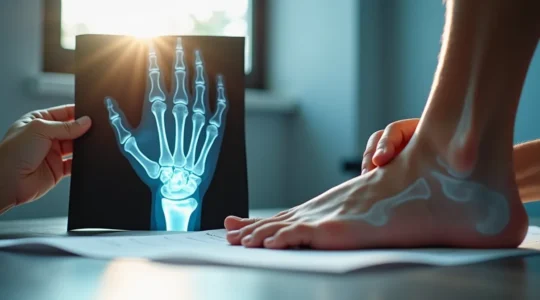
Fracture or Sprain: How to Tell the Difference After a Fall on Ice?
After a fall on ice in Montreal, the most critical question isn’t « Is it broken? » but « What is the right care pathway to avoid a 10-hour ER wait? ». A simple wrist fracture without obvious deformity is often triaged as non-urgent…
Lire la suite